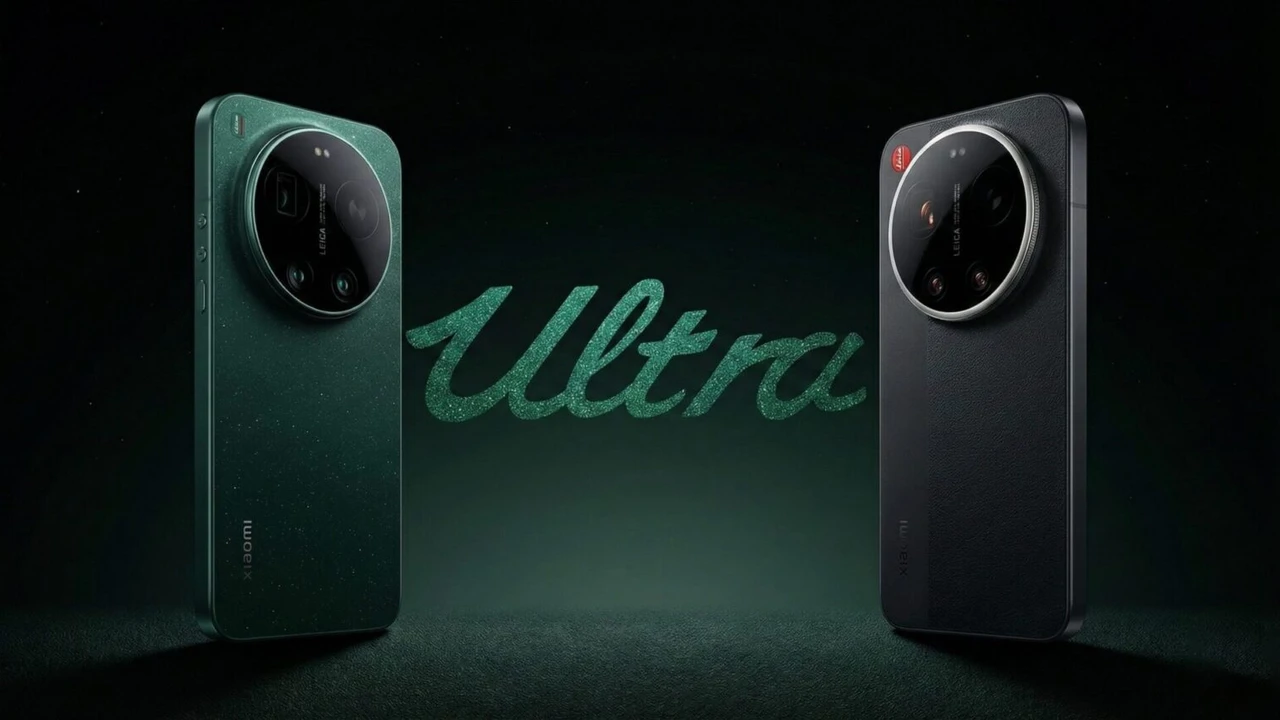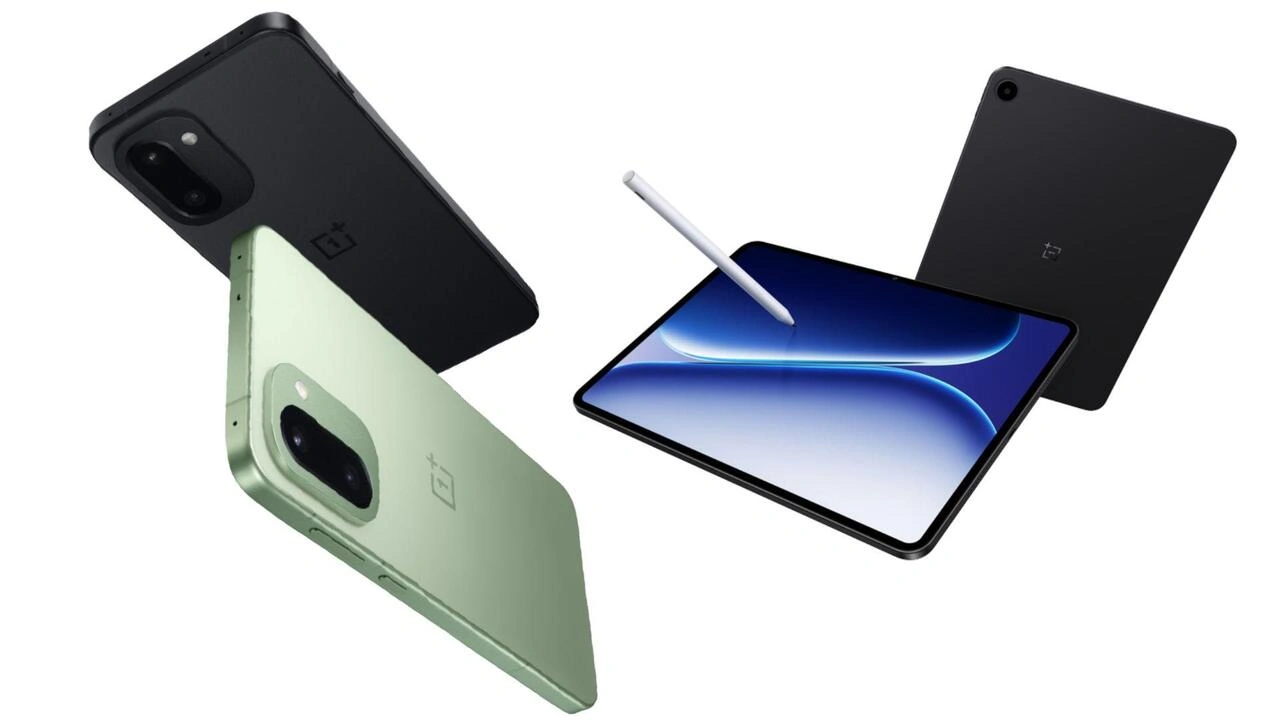
Two new flagships—the Vivo X300 and the OnePlus 15—have entered the Indian premium segment, and both are aimed at buyers who want top-tier performance, strong cameras, and modern software. Even though they appeal to similar audiences, their approach to design, hardware choices, and imaging is quite different. If you’re trying to choose between them, here’s a clear breakdown of how both devices stack up.
Design and Display
Vivo keeps the X300 compact without compromising the display quality. The phone carries a 6.31-inch AMOLED screen with a sharp resolution and a 120Hz refresh rate, supported by fast touch response and HDR visuals. The slim body and a weight of around 190 grams make it a comfortable option for anyone who prefers a smaller flagship.
The OnePlus 15 goes in the opposite direction with a larger, more immersive display. It uses a 6.78-inch QHD+ AMOLED panel tuned for speed, offering a 165Hz peak refresh rate, with the flexibility to drop to 1Hz when needed. With 1,800 nits of brightness and a wide aspect ratio, it is designed to deliver a strong gaming and media experience. The bigger screen naturally adds weight, putting the phone at around 215 grams.
Performance and Hardware
The X300 is powered by MediaTek’s Dimensity 9500, a 3nm chip paired with up to 16GB LPDDR5X RAM and 512GB UFS 4.1 storage. What sets Vivo apart is the use of its dedicated imaging hardware—VS1 and V3+ chips—which take some of the load off the main processor during photo and video tasks. The software running on the device is OriginOS 6, based on Android 16.
The OnePlus 15 uses Qualcomm’s Snapdragon 8 Elite Gen 5, also a 3nm processor. It’s supported by the Adreno 840 GPU, high-speed LPDDR5X Ultra+ RAM, and the same storage standard found on the Vivo model. OnePlus reinforces its performance credentials with a 3D vapour chamber and Cryo-Velocity cooling, which helps maintain sustained speeds during gaming or other heavy workloads. It runs OxygenOS 16, also built on Android 16.
Both devices are extremely capable, but Vivo leans toward imaging power while OnePlus targets gaming and long-duration performance.
Camera Capabilities
Vivo has crafted the X300 with photography in mind. The rear system includes a 200MP primary camera, a 50MP ultrawide lens, and a 50MP telephoto camera offering 3x optical zoom. A 50MP front camera handles selfies and video calls. The phone can record 4K video, and Vivo even offers an optional Zeiss 2.35x telephoto extender for added reach.
The OnePlus 15 takes a different route, focusing on balanced sensors and video strength. It uses three 50MP cameras: a Sony IMX906 main sensor, a Samsung JN5 telephoto with 3.5x optical zoom, and an OV50D ultrawide. Video capability is more advanced here, with support for 8K recording at 30fps and 4K at 120fps. The front camera is 32MP and can shoot 4K at 60fps.
Vivo offers the highest resolution and more specialised optics, while OnePlus offers better video options and a more uniform sensor setup.
Battery and Charging
The X300 features a 6,040mAh battery, along with 90W wired and 40W wireless charging support. This combination gives it solid endurance with quick recharging.
OnePlus, on the other hand, equips the 15 with a much larger 7,300mAh silicon-carbon battery. Charging speeds are faster too—120W wired and 50W wireless. OnePlus claims the phone can be fully charged in roughly 39 minutes, giving it a clear lead in this area.
Connectivity and Additional Features
Both phones include everything expected from modern flagships: 5G, Wi-Fi, Bluetooth 6, NFC, and GPS.
For durability, Vivo gives the X300 IP68 and IP69 ratings, offering strong resistance to dust and water.
OnePlus pushes durability even further with a mix of IP66, IP68, IP69, and IP69K certifications.
Both also rely on ultrasonic fingerprint sensors beneath their screens for secure unlocking.
Also Read: OPPO A6x 5G Launched in India: Big 6,500mAh Battery and Dimensity 6300 Chipset Revealed
Pricing and Availability in India
Vivo positions the X300 at ₹75,999 for the 12GB/256GB version, while the top 16GB/512GB option is priced at ₹85,999. Pre-orders have begun, and sales start on 10 December.
OnePlus launches the 15 at a slightly lower price point—₹72,999 for its 12GB/256GB model, with the 16GB/512GB variant set at ₹79,999. The phone is available through OnePlus’ website and Amazon.
Final Thoughts
Although both phones live in the same premium tier, they appeal to different kinds of users. The Vivo X300 is built for anyone who wants high-resolution photography, a smaller hand-friendly design, and imaging-focused hardware. The OnePlus 15 is more suitable for people who prioritise a large display, gaming performance, and a massive battery that charges extremely fast.
Your choice depends on whether you want a compact camera-first flagship or a big-screen performance machine.